The UAE is a federation of seven emirates, more than Dubai, and its real story is how a pearl-diving coast turned oil money into a trade, finance and tourism economy. About 11.35 million people lived there in 2024, roughly 88.5% of them foreign-born, which is the detail most travel brochures skip.
Below are ten things most people get wrong about the United Arab Emirates, updated for 2026. Prefer watching? Here is the video version.
Welcome to Alux.com, the place where future billionaires come to get inspired. If you are not subscribed yet, you are missing out.
Key facts about the UAE at a glance
| Fact | Detail |
|---|---|
| Form of state | Federation of seven emirates; Abu Dhabi is the capital |
| Founded | 1971 |
| Population (2024) | About 11.35 million, with foreigners at about 88.5% |
| Emiratis as a share | Roughly 11% of residents |
| Dubai oil share of its GDP | Under 1%, down from about half in earlier decades |
| Residency | 10-year Golden Visa since 2019; 5-year tourist visas since 2020 |
1. How the UAE got here
Before oil, the coast belonged to tribal sheikhdoms and pearls paid the bills. Months at sea meant the locals had a front-row seat to British ships sailing for India, and they were not always polite about it.
Britain solved the nuisance with treaties: protection for the sheikhs, calm for its shipping lanes. That arrangement set the region on a stable path. When oil turned up and Britain decided it could no longer afford a garrison in the desert, the sheikhdoms joined forces in 1971 to protect the new resource, and the United Arab Emirates was born.
2. Why oil money did not stay in oil
Oil turned the place into SimCity with cheat codes. The leadership refused to be a pure exporter and poured the income into roads, hospitals, schools, airports, ports and a few more islands, because you can never have too many islands.
The bet was on becoming a hub for finance, trade and culture. It worked well enough that one rating agency upgraded its outlook on UAE banks to positive in 2026, citing continued diversification.
3. What life in the UAE is like
Day to day, it is safe, clean and built for convenience. The state even has a Minister of State for Happiness and Wellbeing, first appointed in 2016, and the country is also known for a Ministry of Tolerance and a Ministry of Artificial Intelligence.
Emirati citizens enjoy subsidized education and healthcare, plus housing and investment support. There is no personal income tax on salaries, so what you earn is what you keep, which is a big reason people move there.
4. Foreigners can now get citizenship, sort of
For decades the answer was a flat no. In early 2021 the UAE announced that selected investors, specialised talent, doctors, engineers and artists could be granted citizenship. There is no application form: candidates are nominated by royals or officials.
The far more common route is residency. The 10-year Golden Visa, launched in 2019, lets qualifying professionals live, study and work without a local sponsor, and tourist visas have been valid for five years since January 2020.
5. The plan for life after oil
Oil and gas still matter a lot, mostly in Abu Dhabi. Dubai is the outlier: oil contributes under 1% of its GDP, against about half decades ago. Trade, logistics, real estate, finance and tourism now do the heavy lifting.
Take the Burj Al Arab. It has 199 suites, and the Royal Suite was once billed at $24,000 a night. The hotel is less a profit centre than a billboard for people who arrive with deep pockets.
The next chapter is Ras Al Khaimah, where a $3.9 billion Wynn resort holding the country’s first commercial gaming licence is due to open in 2027. Watch the video below for the wider bet.
6. Dubai sells experiences
Dubai worked out early that experiences sell better than brochures. You can skydive over the coast, ride a dune buggy in the morning and ski at night, because Ski Dubai, with its 85-metre indoor mountain and 400-metre run, sits inside the Mall of the Emirates.
Add the Burj Khalifa, the tallest structure in the world at 828 metres, and every cuisine on the planet within a short taxi ride. They found every fun activity and went all in on it.
7. Masdar City, the planned city
Masdar City, outside Abu Dhabi, is a planned city that began construction in 2008. Its first six buildings were occupied in 2010, but the financial crisis slowed everything down and completion is now pegged to about 2030.
The original dream of a fully carbon-neutral, car-free city has been scaled back. As of 2025, its driverless pod transit remains a prototype because of cost, on-site solar totals about 10 MW plus 1 MW on rooftops, and its buildings use roughly 40% less energy than the Abu Dhabi average. The sensor-controlled lighting and water, though, is real.
8. Strict rules for visitors
Swearing, public insults, and posting rumours online can all bring fines, and a dirty car can attract one too, as can washing it in the wrong place. Laws differ from what many visitors are used to, and the safe advice is to read the rules of the specific emirate before you land.
9. Not everyone is rich
No. Wealth is concentrated, mostly in Abu Dhabi and Dubai, and Emiratis are only about 11% of the population. The workforce is dominated by migrants, many in construction and services on modest wages.
If you want ideas for building your own wealth wherever you live, read 10 Technologies That Can Make You Rich.
10. The richest person in the UAE
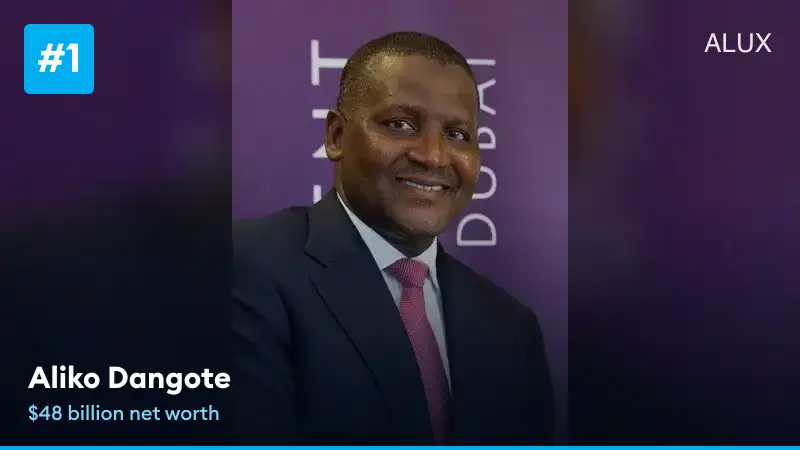
The question has no clean answer, because the ruling families do not publish their holdings. Among privately held fortunes, Telegram founder Pavel Durov was long cited as the richest expat based in Dubai, and his estimated wealth has swung widely, from roughly $13 billion in 2023 to about $6.6 billion in a March 2026 estimate.
He was born in Russia and also holds French citizenship. Learn more in our video below.
Question: Tell us in the comments whether the Emirates can survive the future on more than oil.
FAQ
How many emirates are in the UAE?
Seven: Abu Dhabi, Dubai, Sharjah, Ajman, Umm Al Quwain, Ras Al Khaimah and Fujairah. Abu Dhabi is the capital, not Dubai.
What share of the UAE population is Emirati?
About 11%. In 2024 foreigners made up about 88.5% of roughly 11.35 million residents.
Is there income tax in the UAE?
There is no personal income tax on salaries, which is a large part of the country’s appeal to expats.
Can foreigners become UAE citizens?
Rarely. Since 2021 selected investors, specialists, doctors, engineers and artists can be nominated for citizenship by officials, but there is no open application. Most newcomers use long-term residency such as the 10-year Golden Visa instead.
How dependent is Dubai on oil?
Hardly at all. Oil contributes under 1% of Dubai’s GDP, while Abu Dhabi and the other emirates still rely on oil and gas revenue.
What is Masdar City?
A planned sustainable city near Abu Dhabi, started in 2008 and expected to be completed around 2030. It uses solar power and has cut energy use, but its driverless pod network is still a prototype.
Last updated: October 2026.