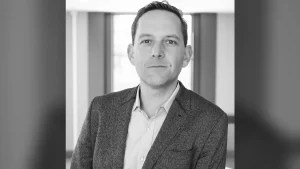
David Friedberg
- Net worth $500 million
- Birthday June 6, 1980
- Status -
- Country United States
- Source(-s) of wealth Entrepreneur, Investor, Podcaster
How much is David Friedberg Worth? David Friedberg Net Worth in 2026
David Friedberg’s net worth is estimated at $500 million as of October 2026. Friedberg is an American entrepreneur and investor, a co-host of the All-In podcast and the chief executive of the plant-breeding company Ohalo. The biggest driver of the wealth is The Climate Corporation, the weather-data company he founded that Monsanto acquired for about $1.1 billion in 2013.
| Net worth | $500 million (estimate) |
|---|---|
| Estimated annual income | About $2 million, our estimate, from private-company pay and investments |
| Born | June 6, 1980, South Africa (age 46) |
| Country | United States (born in South Africa) |
| Known for | The Climate Corporation, Ohalo and the All-In podcast |
| Main income sources | Proceeds from the Climate Corp sale, startup stakes, angel investments |
How much is David Friedberg worth in 2026?
We estimate David Friedberg’s net worth at about $500 million. Public guesses run from $300 million to $600 million, with one profile claiming $1.2 billion and admitting that his largest stake is private. Confidence in our figure is low.
The anchor is the $1.1 billion Monsanto paid for The Climate Corporation in 2013. Friedberg founded the company, then called WeatherBill, in 2006 and ran it as chief executive, but nobody has published how much of it he owned. Venture-backed founders in that position often hold a low double-digit share at a sale, which would put his before-tax proceeds in the low hundreds of millions.
Add to that his investing since: The Production Board, which raised $300 million in 2021 from backers including Alphabet and BlackRock, a stake in Ohalo, and angel investments with 16 exits listed by one database. We settle on $500 million as a realistic middle-to-upper estimate.
How David Friedberg built it
- Founded a weather-data company. He started WeatherBill in 2006, later renamed The Climate Corporation.
- Sold it for a big exit. Monsanto bought the company for about $1.1 billion in 2013.
- Kept investing and building. He runs plant-breeding company Ohalo and made angel investments with 16 listed exits.
Learn the wealth mindset behind David Friedberg’s career in the Alux app.
Get the Alux appDavid Friedberg in 2026: what he has been working on
- 2026: Reported as appointed to the President’s Council of Advisors on Science and Technology, according to a reference summary.
- July 2025: The All-In podcast interviewed Treasury Secretary Scott Bessent at the White House, an episode Friedberg called one of the best days of his life.
- Since November 2023: Full-time chief executive of Ohalo, whose Boosted Breeding platform uses gene editing and genomics.
- 2024: A trade report said Ohalo had raised a little over $100 million.
- Ongoing: Co-hosts the All-In podcast with Chamath Palihapitiya, David Sacks and Jason Calacanis.
How David Friedberg makes money
- Climate Corp sale: Monsanto bought the company for about $1.1 billion in 2013. His share is not public.
- Employment at Monsanto: He joined the executive team after the deal and moved to an advisory role in 2016.
- The Production Board: A holding and incubator he founded in 2016 with backing from Alphabet; it raised $300 million in 2021.
- Ohalo: Plant-breeding company incubated by the board in 2019; he is chief executive.
- Angel and early investing: Stakes in technology, food, agriculture and life-science startups, including Metromile and NorQuin earlier in his career.
What David Friedberg teaches (and what to take from it)
- Learn the system before the pitch. He studied weather and farming data before building a company around them. Pick one industry you touch every day and write down its three biggest inefficiencies this week.
- Start inside a good employer. He founded WeatherBill in 2006 while still at Google, so a steady paycheck covered the early risk. Look for the safety net you already have that lets you test a side project cheaply.
- Build in sequence. Climate Corp led to The Production Board, which led to Ohalo. Treat each result as the base for the next one, and ask what your current project makes possible.
- Bet on science, not noise. Ohalo works on slow, technical plant genetics. Choose one project this quarter that rewards depth over speed and block two long sessions for it.
The math behind a billion-dollar sale
A company that sells for $1.1 billion rarely belongs to one person. The Climate Corporation raised money from venture investors over several rounds, and each round gave away a slice. By the time of an acquisition the founders usually hold much less than they started with, and the sale price gets divided according to who owns what.
That is why estimates for founders like Friedberg are guesses. Our model assumes a founder stake in the low double digits, a result typical for a venture-backed software company of that size and age, and then subtracts taxes. The result lands in the low hundreds of millions, which grew with his later investing.
The $1.2 billion figure that appears on one page would require him to have kept almost the entire proceeds of the sale or to hold very valuable private stakes. We think that is unlikely, and we leave it out.
Career timeline
- 1980: Born in South Africa; moves to Los Angeles at age six.
- 2001: Graduates from UC Berkeley with an astrophysics degree.
- 2004: Joins Google in corporate development.
- 2006: Founds WeatherBill, later renamed The Climate Corporation.
- 2011: Founds the car insurer Metromile.
- 2013: Monsanto acquires The Climate Corporation for about $1.1 billion.
- 2016: Moves to an advisory role at Monsanto and founds The Production Board.
- 2021: The Production Board raises $300 million.
- 2023: Becomes full-time chief executive of Ohalo.
- 2026: Named to the President’s Council of Advisors on Science and Technology, per a reference summary.
Early life and background
David Friedberg was born on June 6, 1980, in South Africa and moved to Los Angeles at age six. He attended Clarkson University and then earned a bachelor’s degree in astrophysics from UC Berkeley in 2001, before joining Google in 2004.
David Friedberg net worth FAQ
What is David Friedberg’s net worth?
We estimate about $500 million as of October 2026, with low confidence. Public figures run from $300 million to $600 million, with one outlier at $1.2 billion.
How much did David Friedberg make from the Climate Corporation sale?
Monsanto paid about $1.1 billion for the company. Friedberg’s share was not disclosed.
How does David Friedberg make money?
From the proceeds of his earlier company, stakes in startups through The Production Board and Ohalo, and angel investments.
How old is David Friedberg?
He was born on June 6, 1980, so he is 46 years old in October 2026.
What is David Friedberg known for?
He is known for founding The Climate Corporation, running Ohalo and co-hosting the All-In podcast.
How is David Friedberg’s net worth estimated?
We use the sale price, typical founder ownership at that stage, later fundraising and investments, and published estimates, and we flag the uncertainty.
Related profiles
How we estimate net worth
Our estimates are based on public reporting, company valuations, and deal and earnings figures all compiled in an internal valuation model. They are approximate, and figures change over time as new information emerges.
Last updated: October 2026.
Photo: The Production Board / Wikimedia Commons, CC BY-SA 4.0, cropped (source, license)